
The Ultimate Guide to Building ADUs in Los Angeles
Accessory Dwelling Units (ADUs) have become increasingly popular in Los Angeles as a solution to the city's housing shortage and a means to generate extra income. Whether you're looking to build an ADU for rental purposes, to accommodate family members, or simply to increase your property value, this guide will walk you through the essential steps.
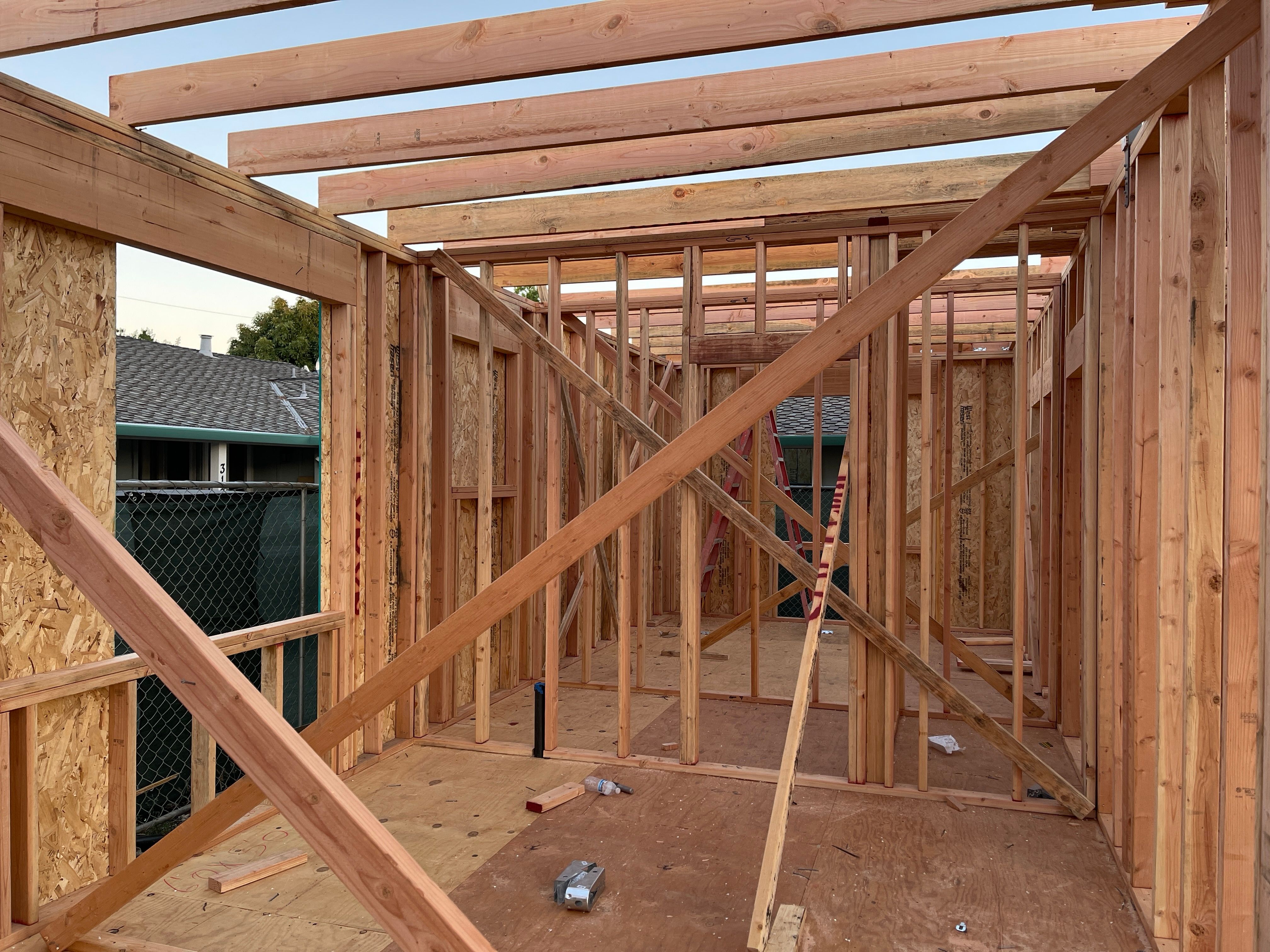
Understanding ADU Regulations in Los Angeles
Before you start building, it's crucial to understand the local regulations governing ADUs. Los Angeles has specific zoning laws and code requirements that dictate where and how you can build an ADU. Ensure that your property is eligible and that you comply with size, height, and setback requirements.
The city allows for different types of ADUs, including detached, attached, and garage conversions. It's important to determine which type suits your property and needs best. Consult the Los Angeles Department of Building and Safety for detailed guidelines.
Permitting Process
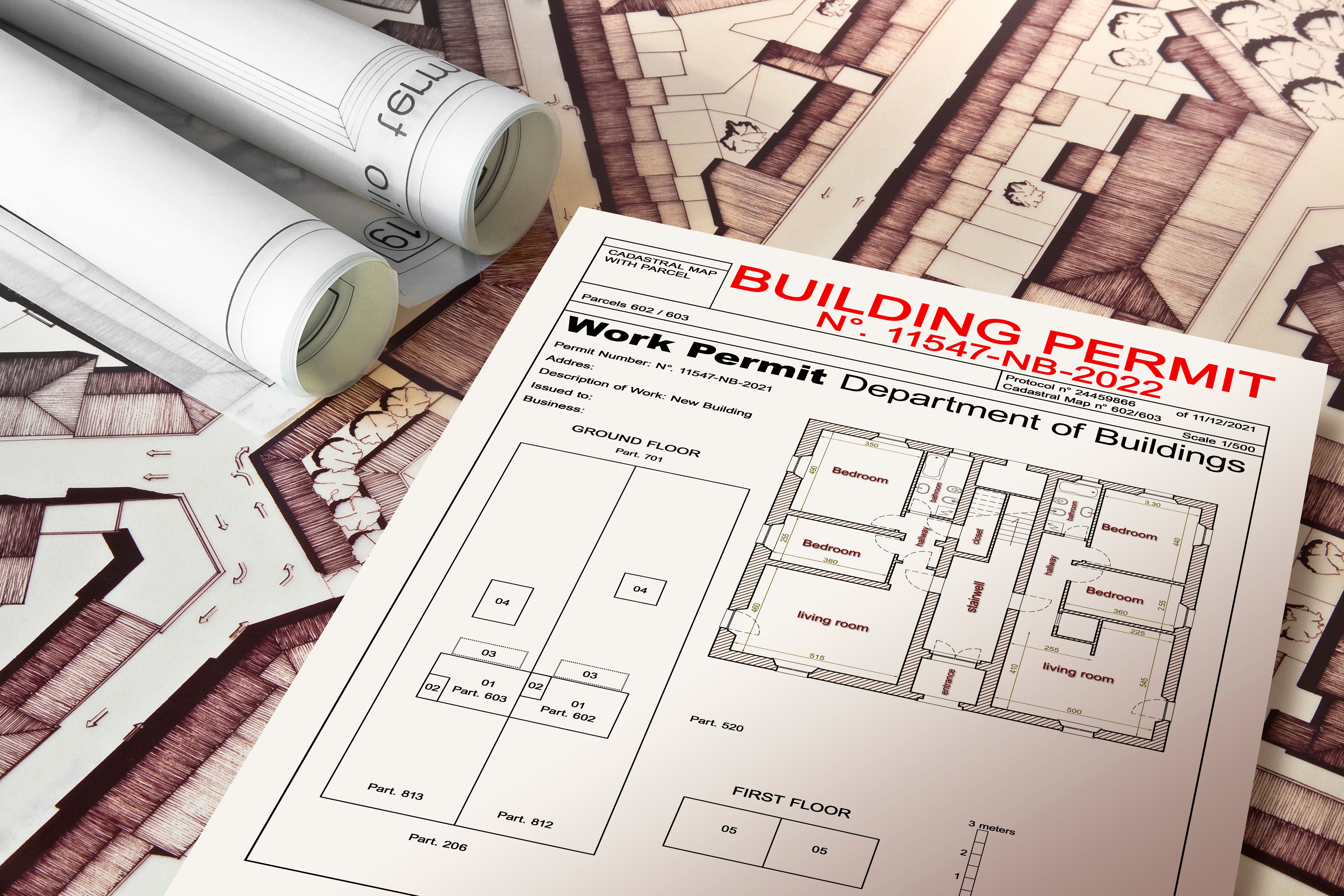
Obtaining the necessary permits is a vital step in building an ADU. You'll need to submit plans that adhere to the city's building codes and zoning regulations. This process can take several months, so planning ahead is key. Hiring a professional architect or contractor familiar with ADU projects in Los Angeles can expedite this process.
Designing Your ADU
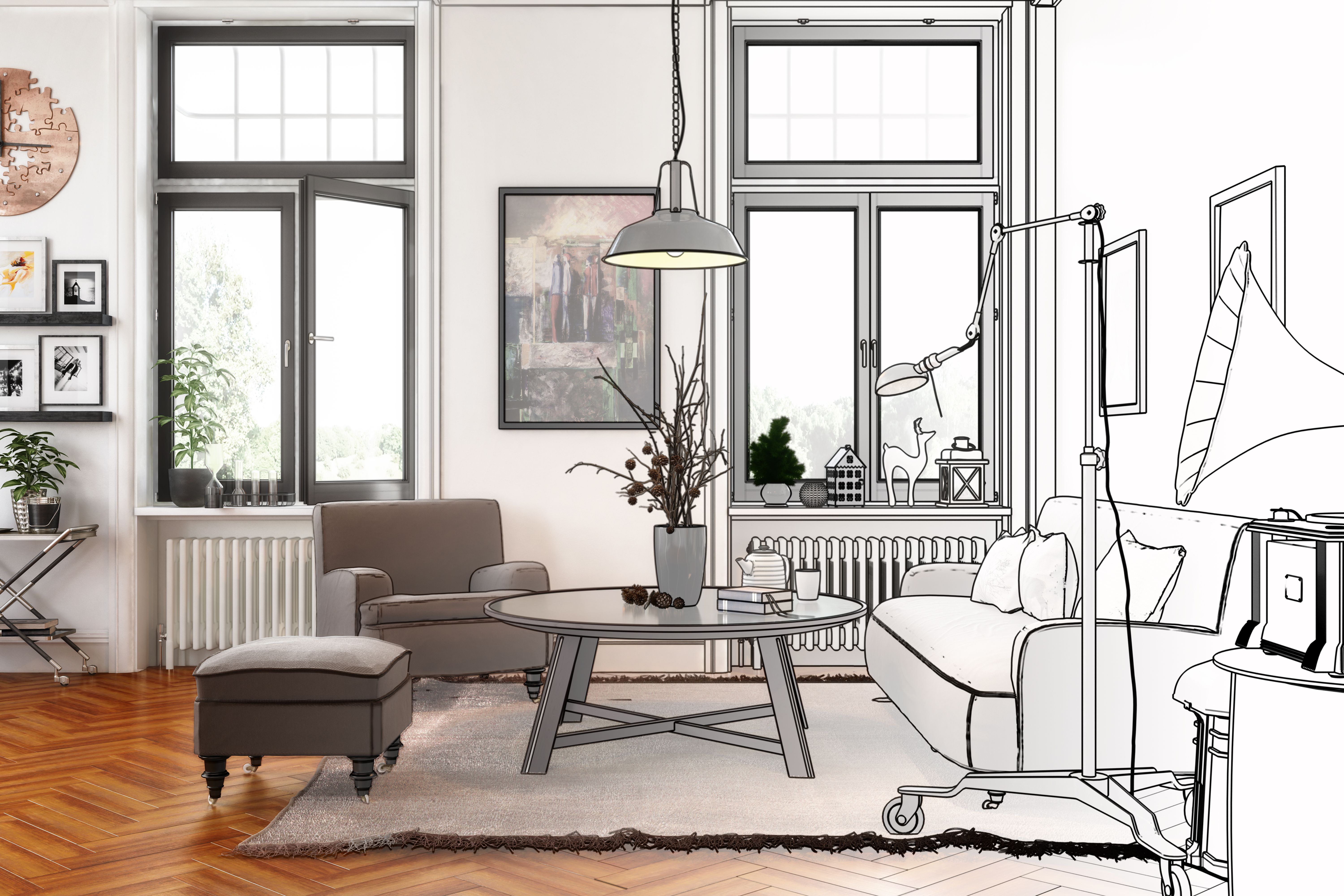
The design phase is where you can get creative. Consider the intended use of the ADU and tailor the design to meet those needs. Whether it's a modern studio or a cozy guest house, the design should maximize space and functionality. Energy efficiency and sustainable materials can also add value to your ADU.
It's also important to think about how the ADU will blend with the existing property. Consistent architectural styles and complementary landscaping can enhance the overall appeal of your property.
Budgeting and Financing
Building an ADU is a significant investment, so creating a detailed budget is essential. Costs will vary depending on the size, materials, and finishes you choose. Be sure to include permits, design fees, and unexpected expenses. Explore financing options like home equity loans or construction loans to support your project.
Construction and Project Management
Once the design and permits are in place, construction can begin. Hiring a reputable contractor with experience in ADU projects is crucial. They will manage the construction process, ensuring everything is built to code and on schedule. Regular communication with your contractor will help address any issues that arise.
Keep track of the project timeline and budget to ensure everything stays on track. Making informed decisions quickly can prevent delays and additional costs.
Inspection and Final Approval
After construction is complete, your ADU will need to pass a series of inspections to ensure it meets all safety and building standards. Once approved, you'll receive a certificate of occupancy, which allows the ADU to be legally inhabited.
Celebrating this milestone can be a great opportunity to showcase your new space. Whether renting it out or welcoming family, your ADU is ready to serve its intended purpose.