
The Ultimate Guide to ADU Design and Build in Los Angeles
Accessory Dwelling Units (ADUs) are gaining popularity in Los Angeles as a fantastic way to maximize property value, accommodate family, or create rental income. Designing and building an ADU requires careful planning and understanding of local regulations. This guide will walk you through the essential steps to create a successful ADU in Los Angeles.
Understanding ADU Regulations in Los Angeles
Before diving into design, it's crucial to familiarize yourself with Los Angeles' specific ADU regulations. The city has embraced ADUs as a solution to housing shortages, but there are rules regarding size, location, and usage. ADUs can range from 400 to 1,200 square feet, depending on the lot size and existing structures.
Additionally, parking requirements have been relaxed, especially if the property is near public transit. However, understanding all zoning laws and obtaining the necessary permits is essential before starting your project.

Designing Your ADU
Once you've navigated the regulations, it's time to focus on design. The design of your ADU should complement your existing property while also meeting your specific needs. Consider the purpose of your ADU: Is it for family, rental, or a personal workspace?
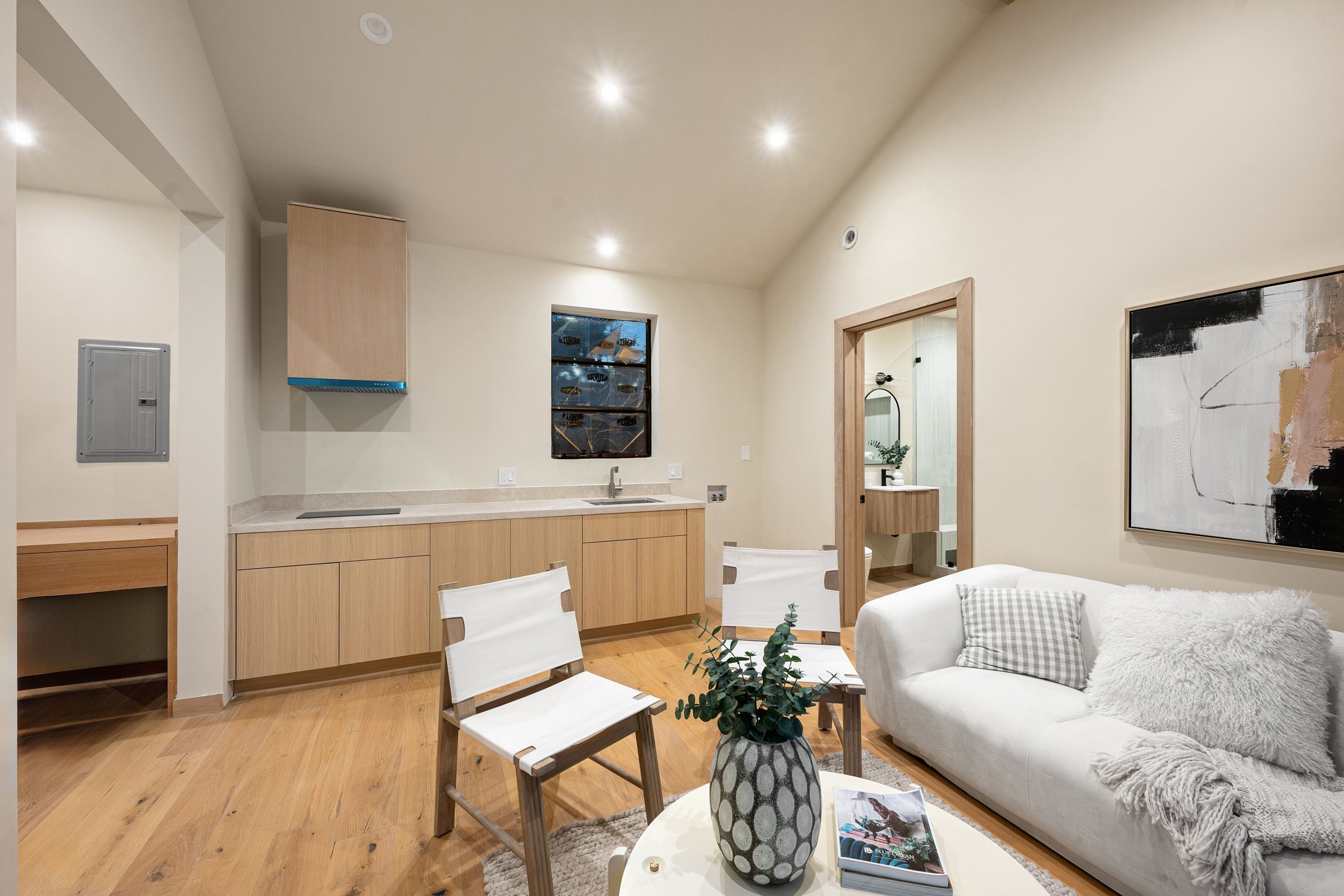
Incorporate smart design principles such as open floor plans, multifunctional furniture, and ample natural light to make the space feel larger. Hiring an experienced architect or designer who understands Los Angeles' unique architectural landscape can also be beneficial.
Choosing the Right Location
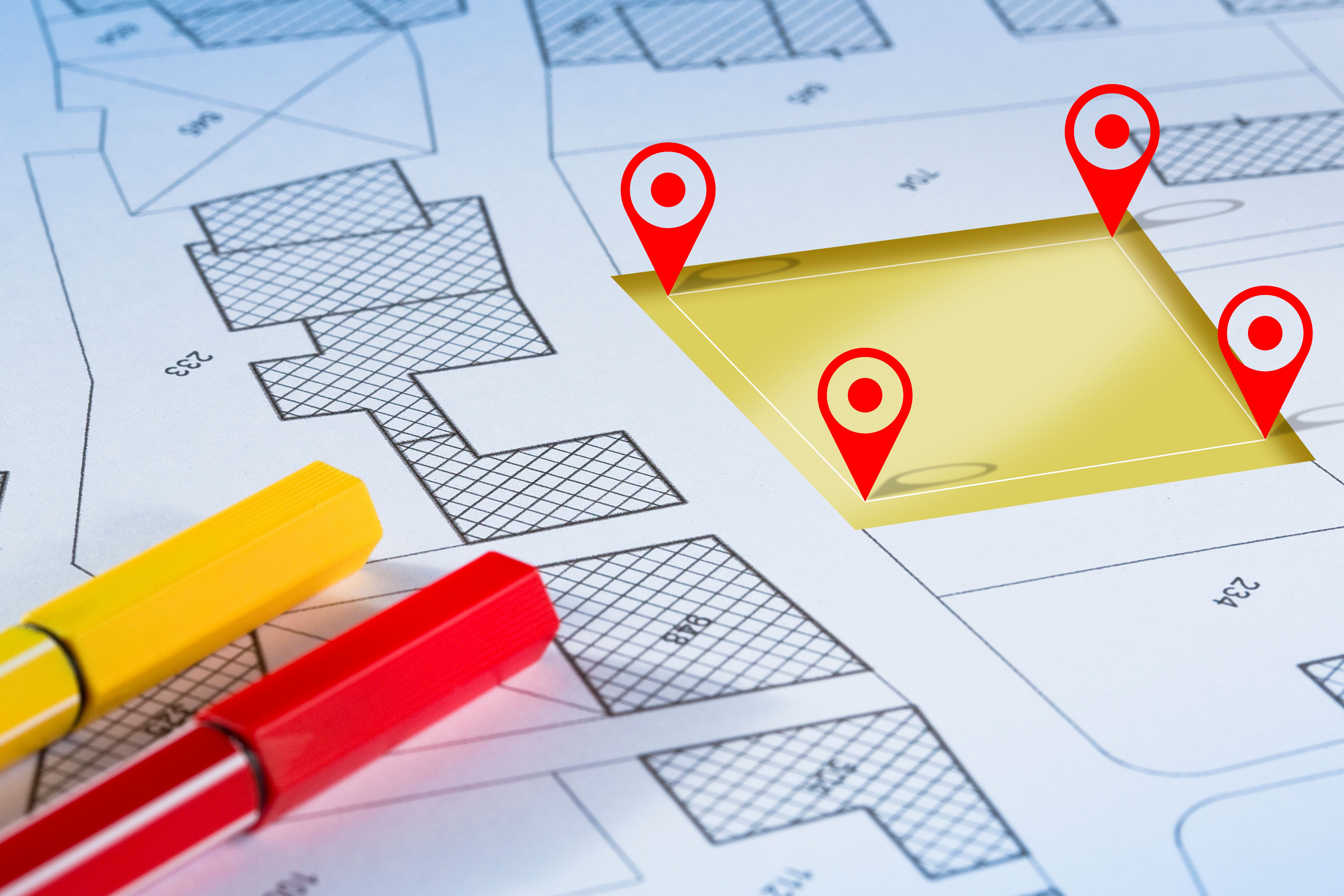
Where you place your ADU on your property can impact both functionality and aesthetics. Consider factors like privacy, accessibility, and sunlight. The location might also be influenced by existing utilities and landscaping.
Building codes may dictate setback requirements, so work closely with your contractor to ensure compliance. A well-chosen location will enhance the livability and appeal of your ADU.
Building and Construction Process
With your design finalized, the construction phase begins. Selecting a reputable contractor with ADU experience in Los Angeles is crucial. They will handle everything from obtaining permits to managing the construction timeline.
Communication is key during this phase. Regular check-ins with your contractor can ensure the project stays on track and within budget. Be prepared for some unexpected challenges, as construction projects rarely go exactly as planned.
Finishing Touches and Landscaping
Once construction is complete, it's time for the finishing touches. The choice of paint, fixtures, and flooring can make a significant difference in the overall feel of your ADU. Consider eco-friendly options to enhance sustainability.
Landscaping around your ADU can also create a seamless transition between the new structure and the existing property. Native plants and water-efficient gardens are excellent choices for the Los Angeles climate.
Maximizing Rental Potential
If you're planning to rent out your ADU, consider what features might attract tenants. Modern appliances, high-speed internet, and a private outdoor space can make your ADU more appealing.
Research the rental market in your area to set competitive pricing. Understanding what potential renters are looking for can help you tailor your ADU to meet those needs, maximizing your rental income potential.
Conclusion
Building an ADU in Los Angeles is an exciting opportunity to enhance your property's value and functionality. By understanding local regulations, focusing on thoughtful design, and working with experienced professionals, you can create an ADU that meets your needs and complies with city guidelines.
Whether for family, rental, or personal use, a well-designed ADU can provide lasting benefits. Take the time to plan carefully, and your ADU project can be a rewarding investment.