
The Ultimate Guide to ADU Construction in Los Angeles
What is an ADU?
Accessory Dwelling Units (ADUs) are becoming an increasingly popular option for homeowners in Los Angeles. These units, often referred to as granny flats or in-law suites, provide additional living space on an existing property. They can be a smart way to maximize property value and accommodate growing family needs.
ADUs can be either attached or detached from the main home, offering flexibility in design and usage. They typically include a bedroom, bathroom, kitchen, and living area, making them self-sufficient living spaces. The rise in demand for ADUs is largely due to the housing shortage in Los Angeles and their potential to generate rental income.
Benefits of Building an ADU
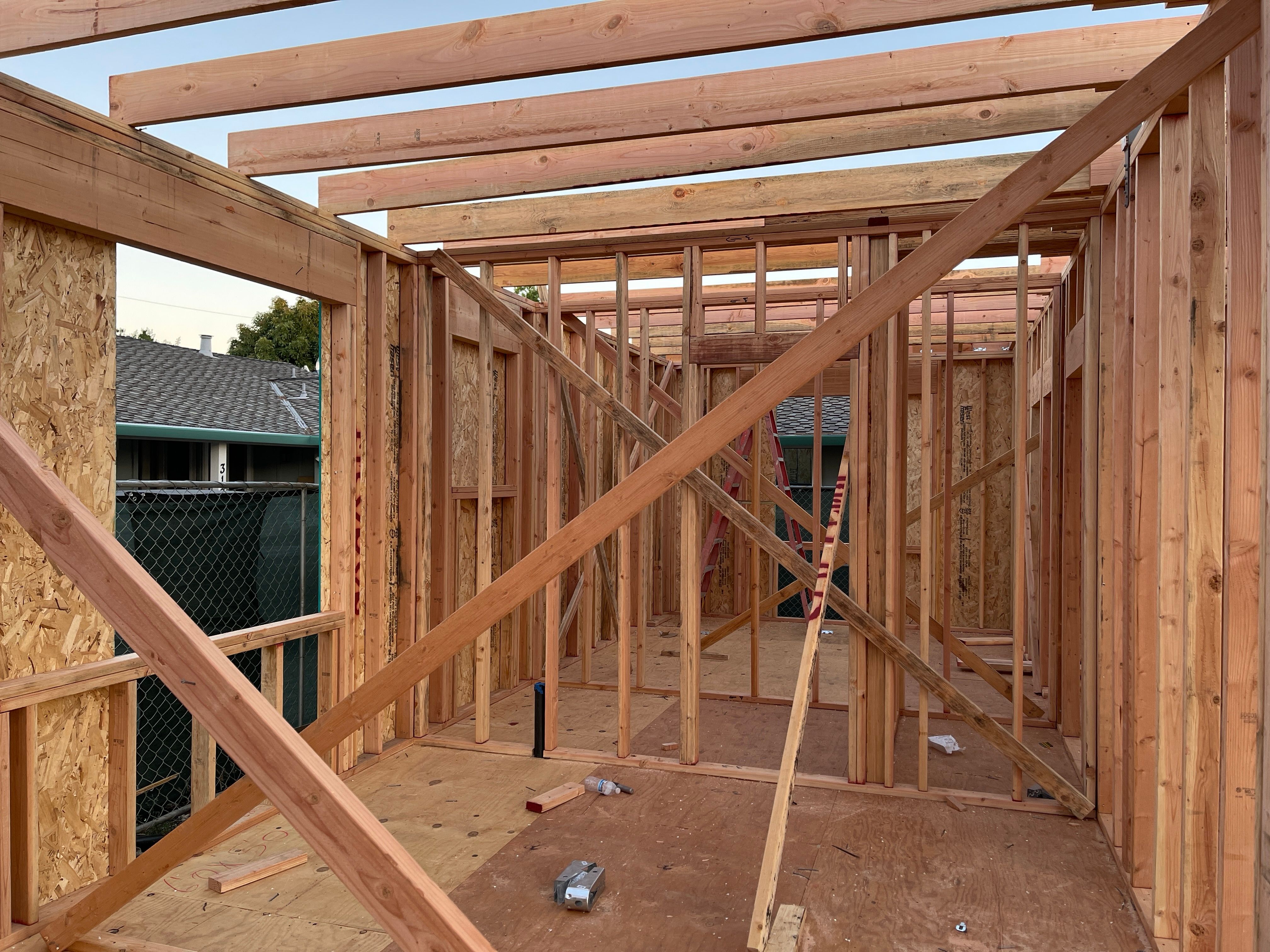
There are several advantages to building an ADU on your property. One of the primary benefits is the potential for additional income. By renting out the unit, homeowners can earn a steady stream of revenue. This is particularly appealing in a city like Los Angeles, where rental demand is high.
ADUs also provide a solution for multigenerational living. Families can use these units to house elderly relatives or adult children, offering privacy while keeping loved ones close. Moreover, ADUs can increase property value, making them a wise investment for the future.
Environmental Impact
Another significant benefit is the environmental impact. ADUs tend to have a smaller carbon footprint compared to larger homes. They require fewer resources to build and maintain, aligning with sustainable living practices.

Regulations and Permits
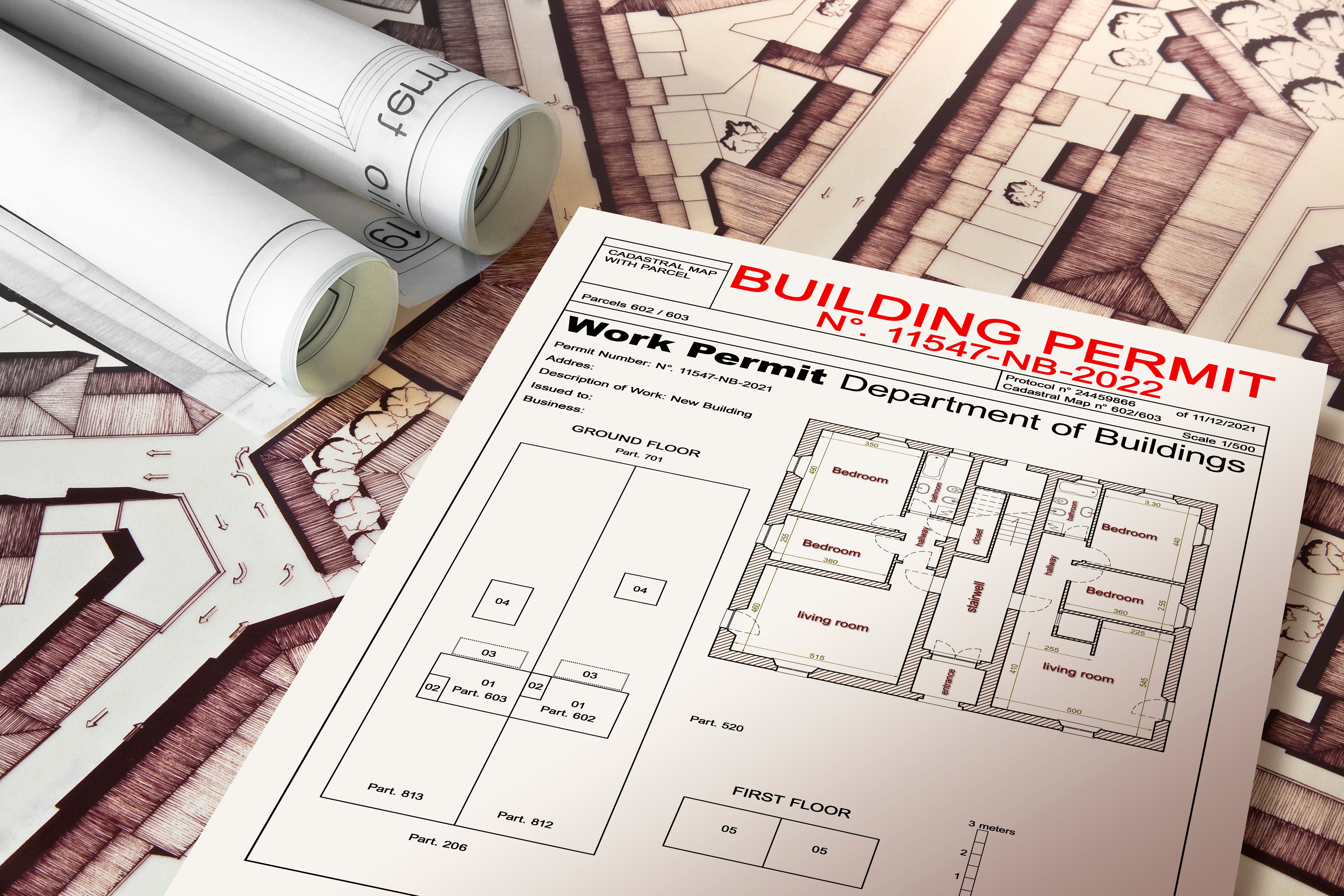
Before starting construction, it's crucial to understand the regulations governing ADUs in Los Angeles. The city has specific zoning laws and building codes that must be followed. Homeowners will need to obtain the necessary permits, which can include zoning clearance and building permits.
It's advisable to consult with a professional who is familiar with local regulations to ensure compliance. This can prevent costly mistakes and delays in the construction process.
Design and Construction
Designing an ADU requires careful planning to maximize space and functionality. Homeowners should consider the layout, size, and purpose of the unit. Engaging an architect or a designer can help in creating a practical and aesthetically pleasing space.
During construction, choosing the right materials and finishes is essential for durability and comfort. Energy-efficient options can further enhance the sustainability of the unit.
Costs and Financing
The cost of building an ADU can vary widely based on size, design, and materials. On average, prices can range from $100,000 to $300,000. Homeowners should budget for construction costs, permits, and potential landscaping.
Financing options are available, including home equity loans and refinancing. Some local programs might offer incentives or grants to support ADU development. Exploring these options can make the project more affordable.

Choosing the Right Contractor
Selecting a reliable contractor is crucial for the success of your ADU project. Look for contractors with experience in ADU construction and check references or reviews. A good contractor will guide you through each step, from design to completion.
Make sure to get multiple quotes and understand the scope of work before signing a contract. This will help in making an informed decision and ensuring the project stays on time and within budget.
Conclusion
Building an ADU in Los Angeles can be a rewarding endeavor, offering financial benefits and increased living space. With proper planning and execution, these units can enhance property value and meet various lifestyle needs. By understanding the regulations, costs, and design considerations, homeowners can successfully navigate the process of ADU construction.