
Navigating Los Angeles Building Regulations for ADUs
Understanding ADUs in Los Angeles
Accessory Dwelling Units (ADUs) have become a popular housing solution in Los Angeles, offering homeowners the opportunity to maximize their property’s potential. However, navigating the building regulations for ADUs can be complex. This guide will help you understand the key aspects of these regulations.
What Are ADUs?
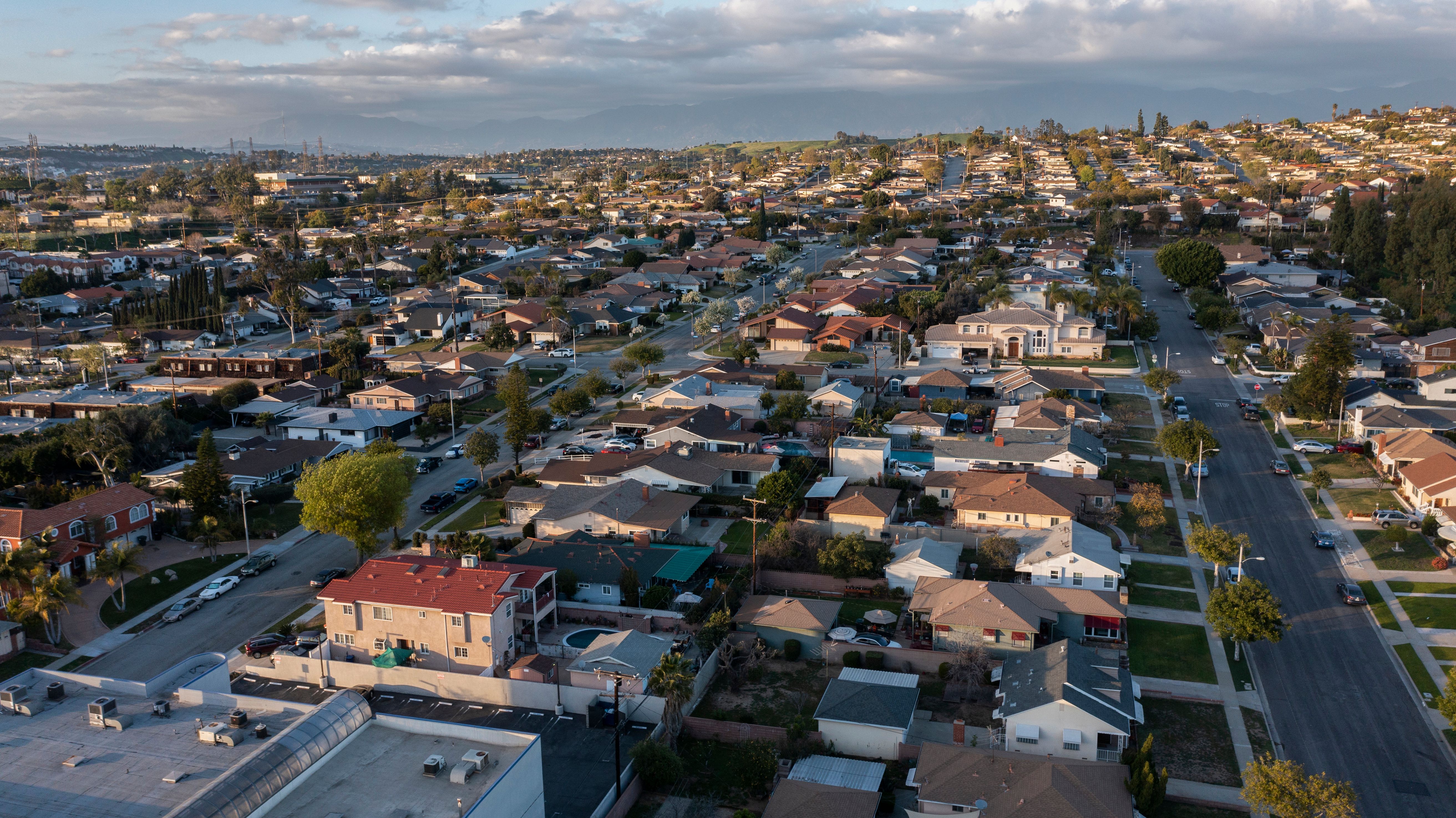
ADUs, also known as granny flats or in-law units, are secondary housing units on a single-family residential lot. They can be attached or detached from the main dwelling. Los Angeles has embraced ADUs as a way to address housing shortages and provide affordable living spaces.
Key Regulations and Requirements
Understanding the zoning laws and building codes is crucial for anyone looking to build an ADU in Los Angeles. Here are some important considerations:
- Zoning Requirements: ADUs are permitted in most residential zones, but it's important to verify specific zoning laws for your property.
- Size Limitations: The size of an ADU can vary, but generally, it must not exceed 1,200 square feet.
- Parking Requirements: Some ADUs require additional parking spaces, although recent regulations have relaxed these rules in certain areas.
Permitting Process
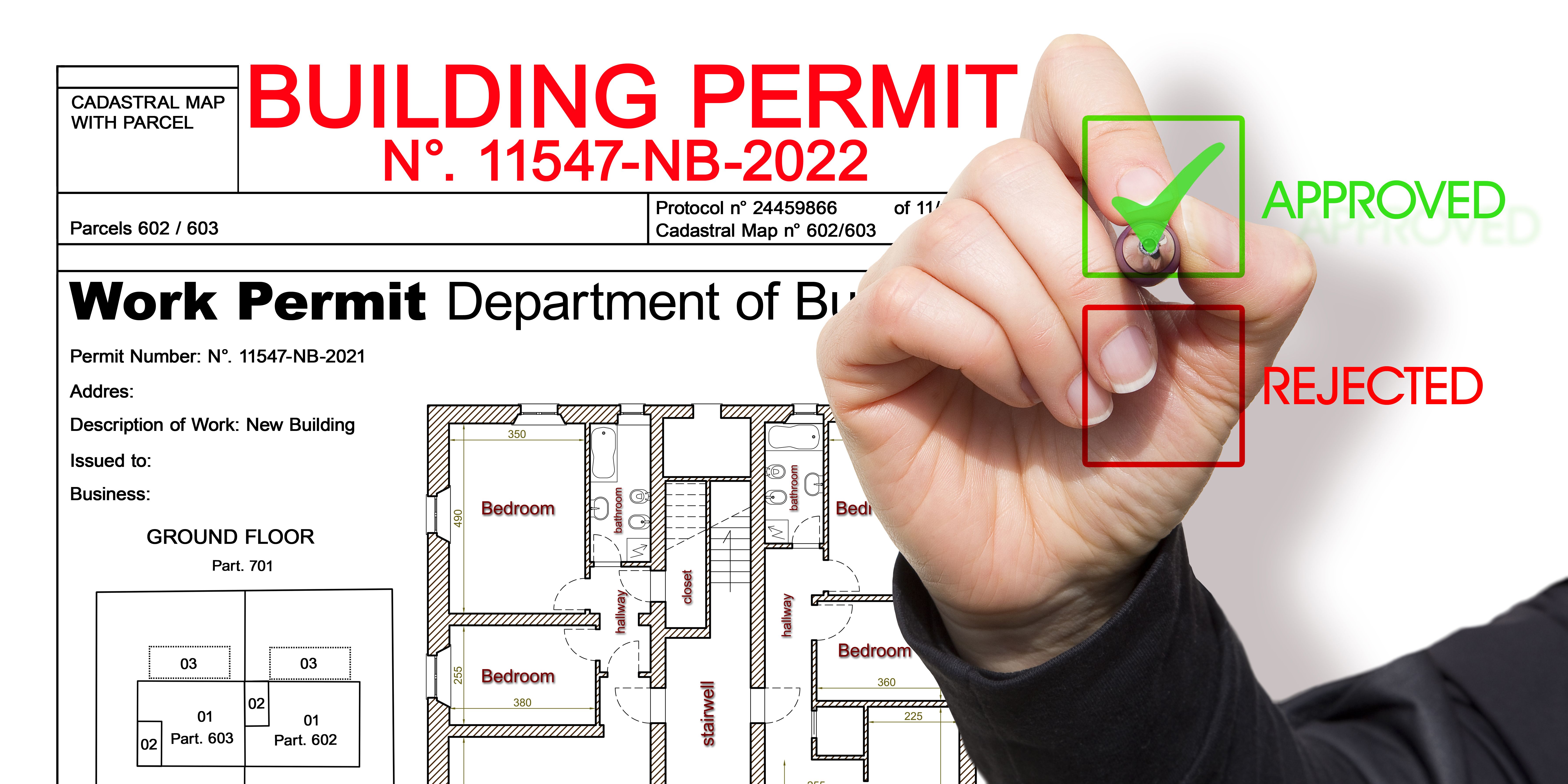
The permitting process for ADUs can be time-consuming. Homeowners must obtain various approvals and permits, including building, plumbing, and electrical permits. Engaging with a professional who understands the local regulations can streamline this process.
Design and Construction Considerations
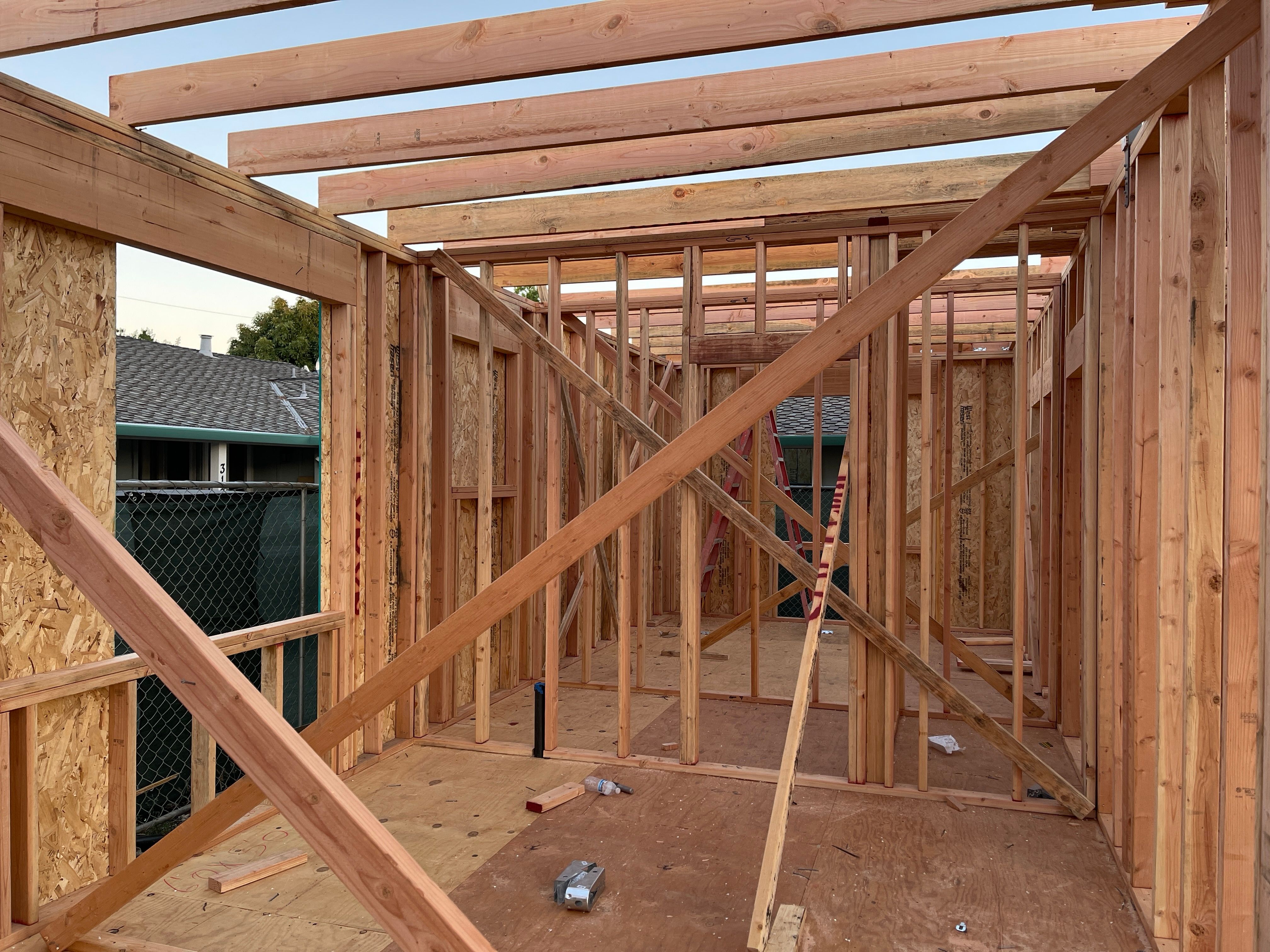
Design plays a critical role in the successful implementation of an ADU. It must not only adhere to regulations but also complement the existing property aesthetically. Hiring a skilled architect can ensure that the design meets all necessary codes while enhancing the property's value.
Financial Incentives and Support
Los Angeles offers several incentives to encourage the construction of ADUs. These include fee waivers and expedited permitting processes. Additionally, various financing options are available to help homeowners cover construction costs, making ADUs a financially viable option.
Common Challenges and Solutions
Navigating building regulations can present challenges such as delays and unexpected costs. However, thorough research and professional guidance can mitigate these issues. Staying informed about changes in local laws can also help in avoiding potential pitfalls.

Long-term Benefits
Investing in an ADU can provide long-term benefits, including increased property value and additional rental income. Furthermore, ADUs contribute to sustainable urban development by utilizing existing space efficiently.
In conclusion, while the process of building an ADU in Los Angeles involves understanding complex regulations, the potential rewards make it a worthwhile investment. By familiarizing yourself with local laws and seeking professional advice, you can successfully navigate the path to creating a functional and valuable living space.